
In December 1845, carpenter Joel Doolittle built a log shanty at the Rock River rapids and became Horicon, Wisconsin’s first permanent settler.

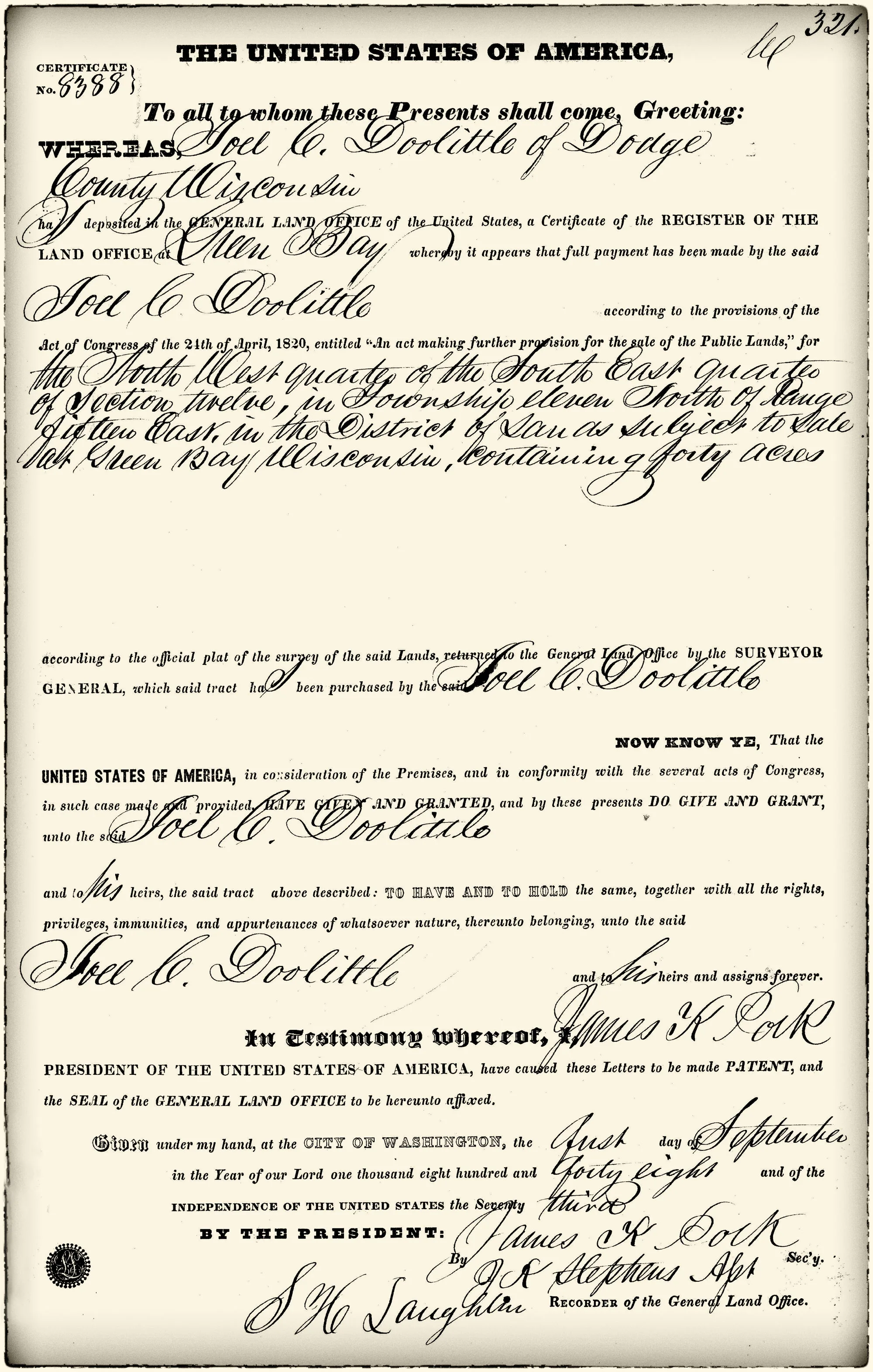
In December 1845, carpenter Joel Doolittle built a log shanty at the Rock River rapids and became Horicon, Wisconsin’s first permanent settler.
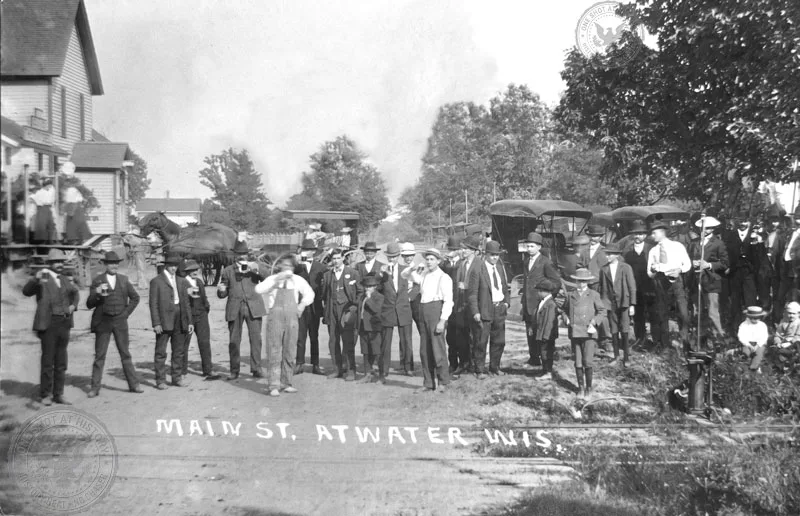
Atwater, Wisconsin: Before it was Atwater, it was Mill Creek. The place sits in the Town of Chester, five miles down the tracks from Waupun. The Milwaukee & Horicon Rail Road, chartered in 1852, pushed its line from Horicon to Waupun by 1855, and the rails ran right through. A year later, a settler from …
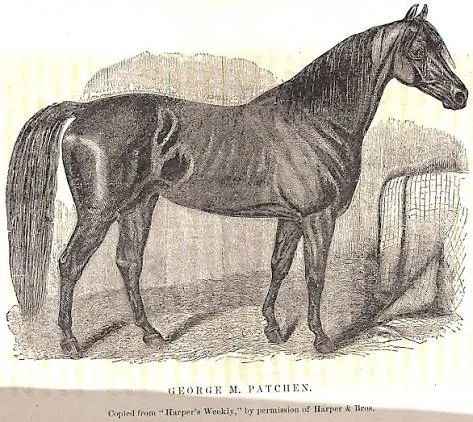
The Rise and Strange Death of Horicon’s prize-winning horse –‘Ripon Boy’ On a Tuesday morning in December 1873, a groom at George W. Van Brunt’s stables in Horicon led a nine-year-old mahogany bay stallion out to water and noticed something was wrong. The horse drank only sparingly, and trembled in every limb with each attempt. …
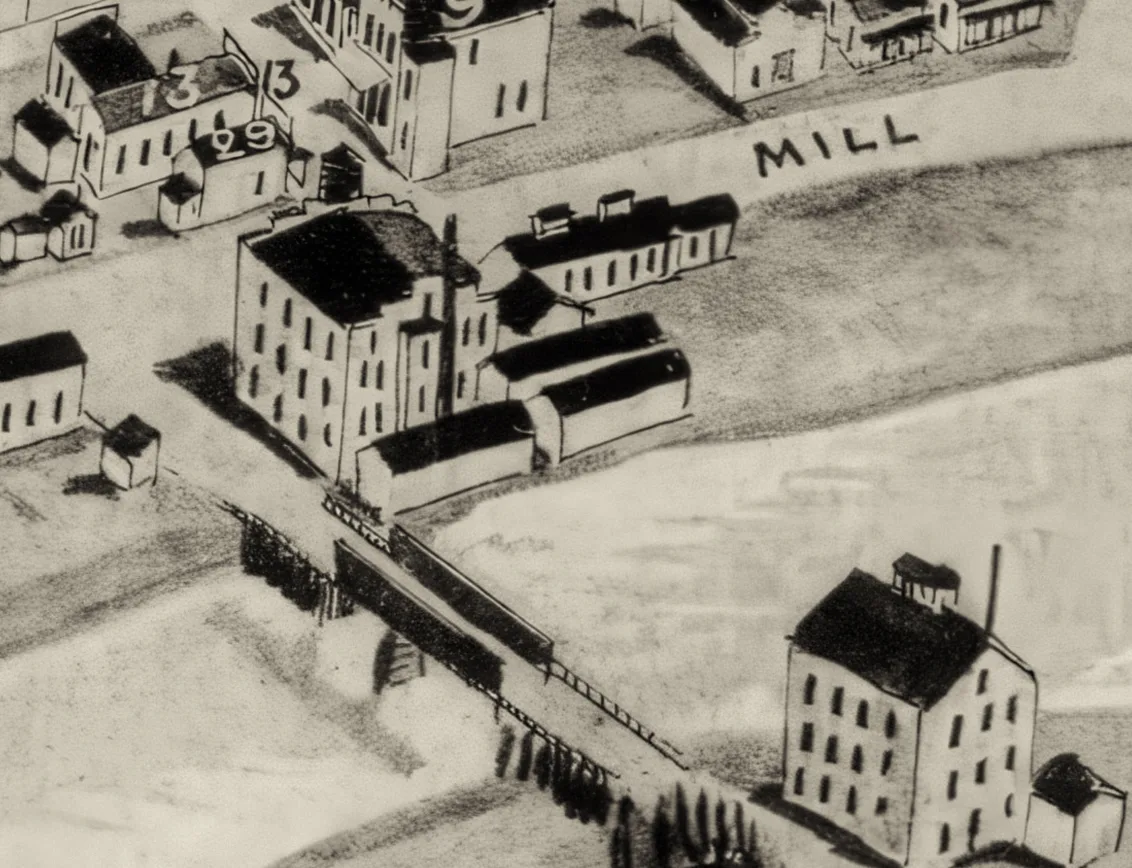
The Building That Would Not Sit Still: Horicon’s Old Stone Shop Today, at the corner of Mill and Vine streets sits nothing more dramatic than a highway bridge and the quiet current of the Rock River sliding underneath it. It’s easy to stand there and forget how much history that stretch of water has actually …
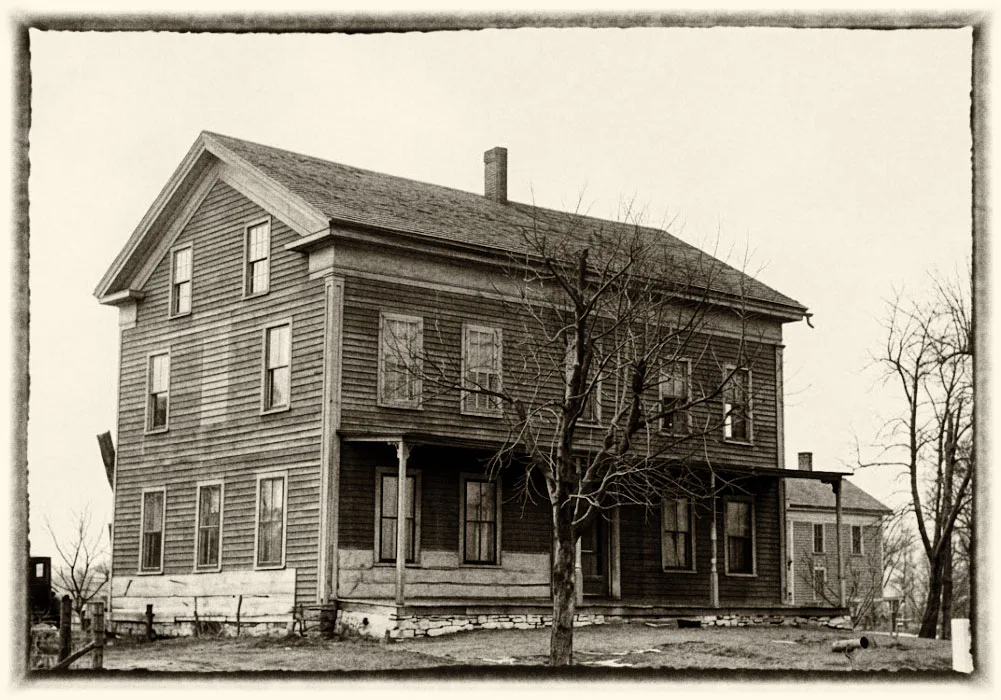
Drive the back road between Horicon and Beaver Dam today and you could pass through Rolling Prairie without ever knowing you’d been there. It’s not a village anymore, not officially — just an unincorporated place name hung on a stretch of country between the towns of Oak Grove and Burnett, a few farms and a …
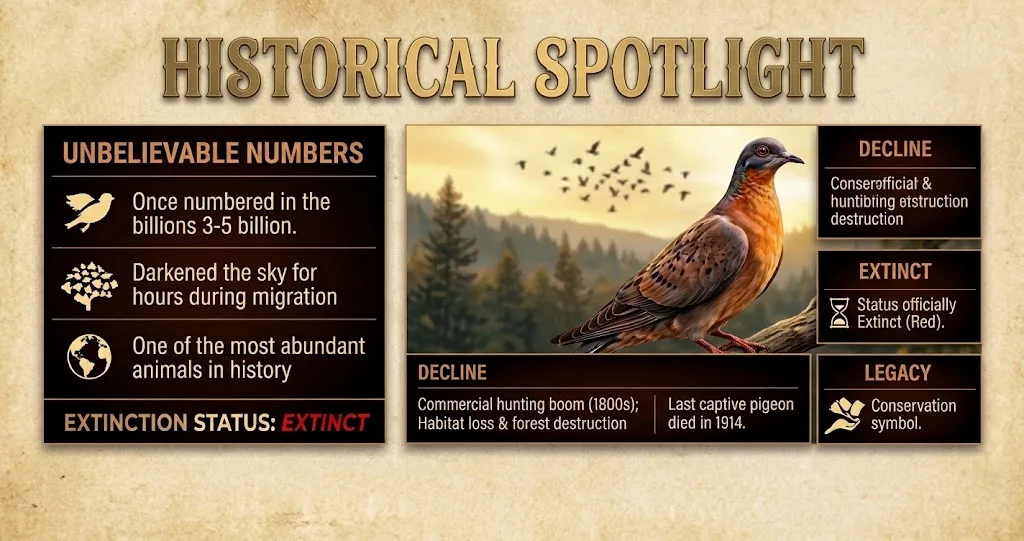
Origins, Archaeology, the Horicon/Van Brunt Connection, and the “de-extinction’ Plan to Bring It Back Did you know Wisconsin once hosted billions of passenger pigeons? The story of the passenger pigeon’s rise and fall has long fascinated historians and naturalists. Science writer Charles C. Mann revisited this ecological mystery in his acclaimed book 1491: New Revelations …
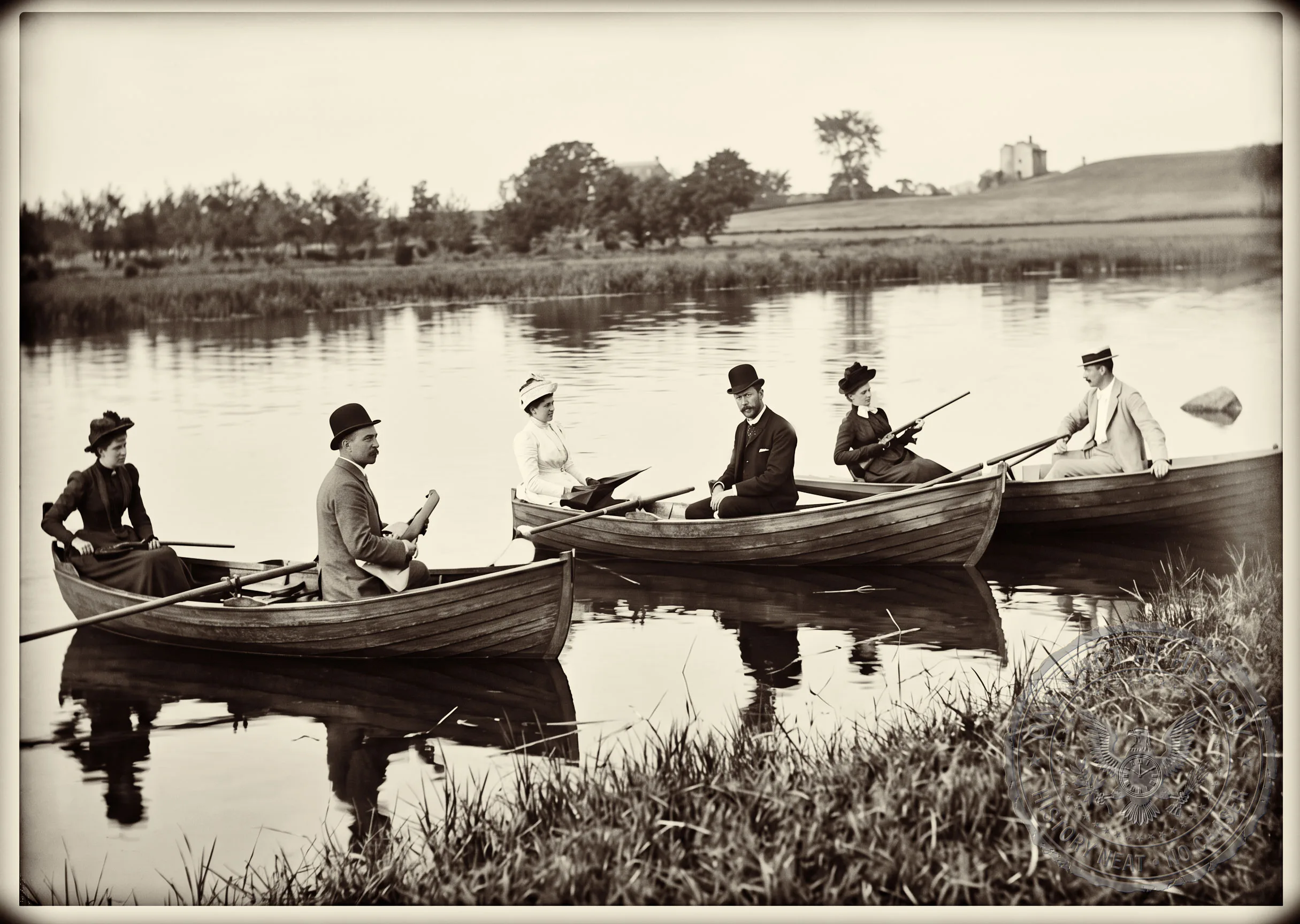
The Marsh the Rich Guys Tried to Own Before it was a national wildlife refuge with a visitor center and a gift shop, Horicon Marsh was 32,000 acres of the best duck hunting in the Midwest — and for about forty years, a handful of very rich men did everything short of putting up a …
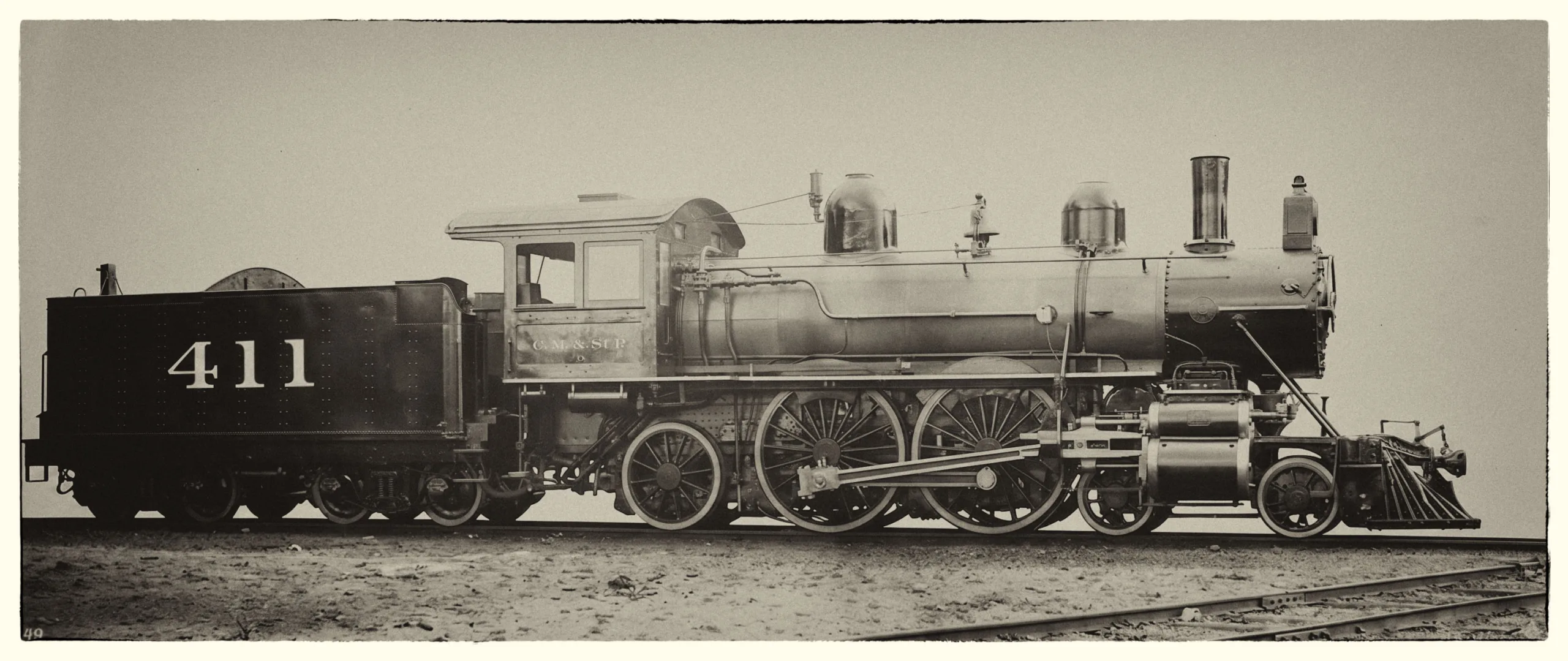
Thirty Trains a Day, a Wreck in the Dark, and the Hotel at the Crossing Sometime before dawn on the morning of July 12, 1901, the engineer of Chicago, Milwaukee & St. Paul passenger train No. 3 — due into Portage at a quarter to four — throttled up for the crossing at Minnesota Junction, …
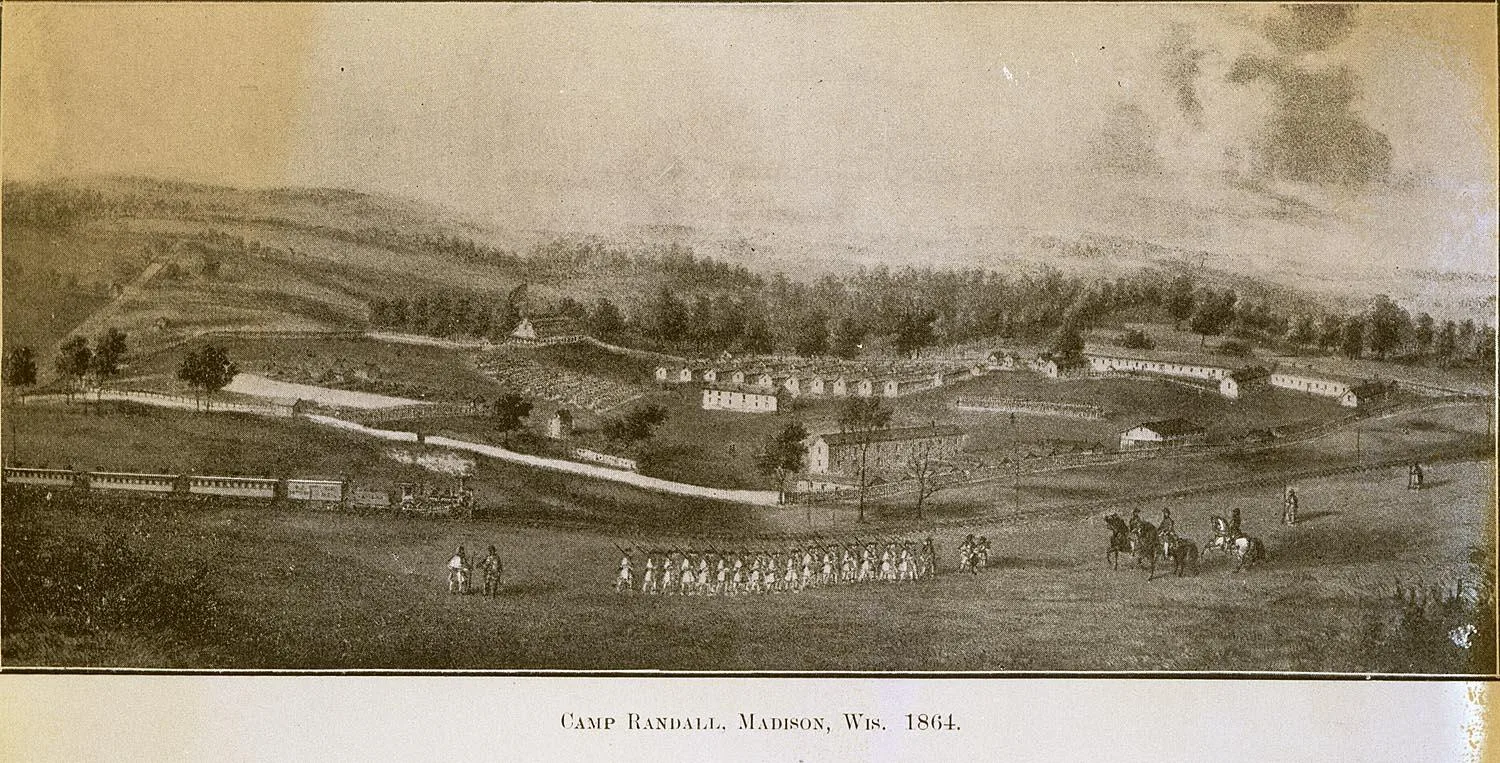
Madison, Wisconsin’s Civil War Cemetery 1862 – Present How the survivors of a Mississippi River battle came to rest in Wisconsin soil, and the Northern woman who called them “her boys” This piece is a companion to Horicon’s Civil War Story, tracing what became of the Confederate prisoners taken at the same battle where Horicon’s …
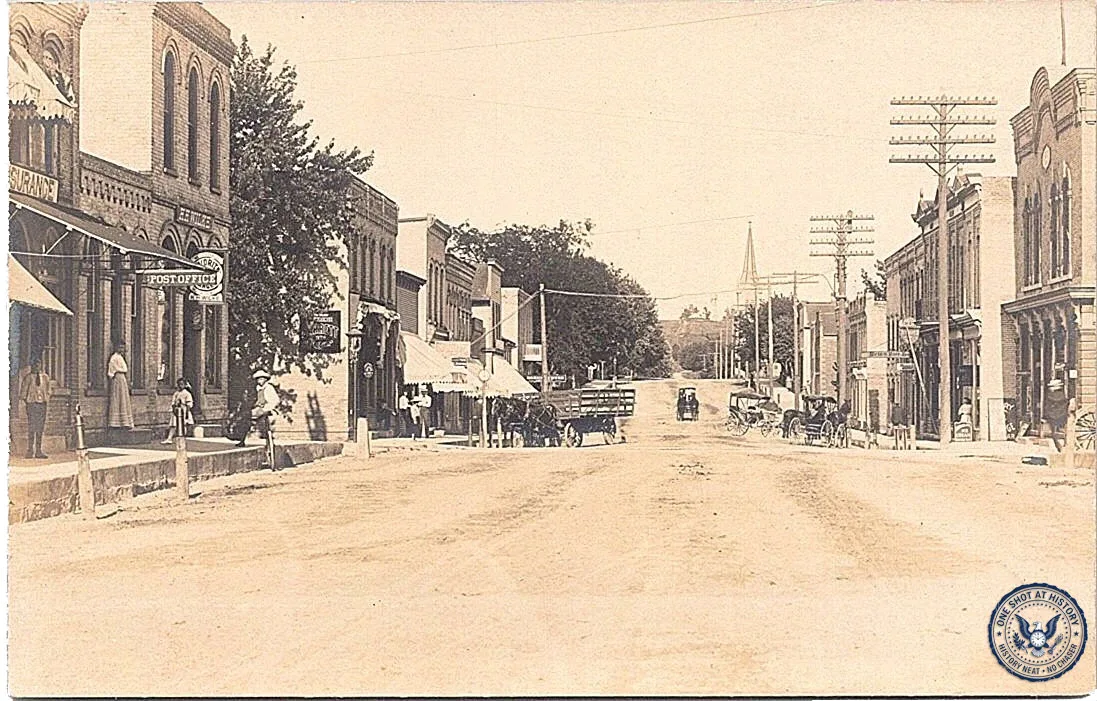
Blankets, Nitro, and a Borrowed Buggy The Great Horicon Post Office Job of 1913 Picture Horicon in the second week of June, 1913. The marsh north of town would have been turning green, the cattails springing up, the smell of water that rises off the Rock River basin once the weather turns, and by mid-month …
