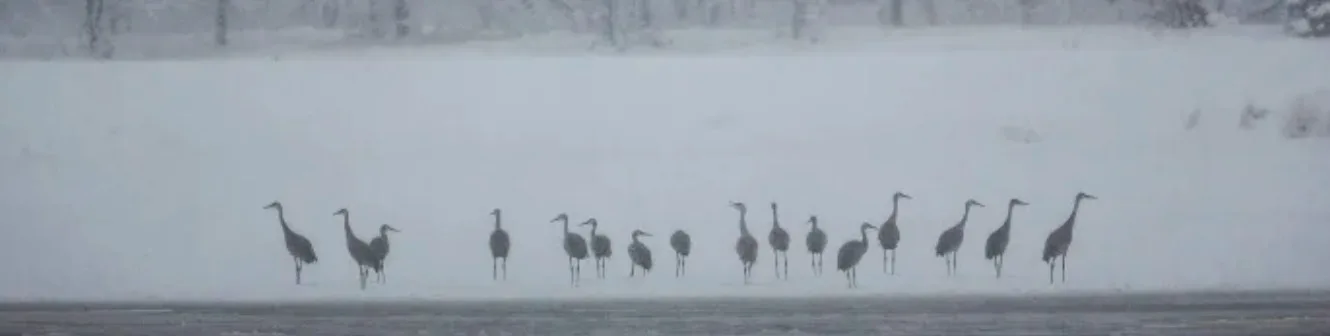

Storm over the Horicon Marsh
June 4th, 2026
Horicon Local Weather at Blue Heron Landing
⚠️
Local hazards inactive…
Live webcam — Rock River at Horicon, Just west of Blue Heron Landing 
Loading camera…
×
![USGS Webcam Full View]()
River stage and streamflow data is received via GOES-19 satellite — the Horicon USGS stream gage transmits its readings by radio to the GOES-19 geostationary satellite, where the signal is relayed back to ground-based DCS (Data Collection System) receivers; in this case by USRadioguy.com and processed. Reception of that satellite feed is handled locally by the station at usradioguy.com and shown here.
Timeline Range Filters – 7 Days, 30 Days, 3 Months ->
Gage height timeline (ft)
Preparing height index…
Reference — Rock River and Horicon Marsh Water Stages (USGS / NWS / NOAA)
Low Water
≤ 6.50 ft
Quiet seasonal conditions. Common during dry summers or fall drawdown. Rock River channel edges and inner marsh mudflats become exposed near the banks. Kayaks, canoes, and shoreline recreation are completely unaffected — powered boats should use caution, as shallow areas may cause grounding or prop damage.
Normal
6.60 – 7.99 ft
Standard Seasonal Baseline. Water volume is fully contained within the main river channel and marsh banks. At this optimal baseline elevation, water flow provides healthy circulation throughout the wetland basin, supporting local avian and wildlife habitats and maintaining stable water quality across the Horicon ecosystem.
Action
8.00 – 8.49 ft
The river reaches bankfull state. Water begins pushing into low floodplains, and the marsh starts to flex its boundaries — lower boardwalk sections, agricultural edges, and wildlife trails near the river may see encroachment. On-water recreation remains possible but conditions are changing. Operators of larger vessels should be aware that rising water reduces clearance under bridges along the river corridor.
Minor Flood
8.50 – 9.49 ft
Minor flooding begins. Water begins pushing into low floodplains, and the marsh starts to flex its boundaries — lower boardwalk sections, agricultural edges, and wildlife trails near the river may see encroachment. On-water recreation remains possible but conditions are changing. Floating debris — including dislodged cattail mats and submerged or floating logs — may present navigation hazards. Operators of larger vessels should also be aware that rising water reduces clearance under bridges along the river corridor.
Moderate
≥ 9.50 ft
Significant structural risks possible. Properties and basements nearest the main channel face real flood risk. Secondary roads along the marsh boundary may require detours or be closed entirely. Check local advisories before traveling near the river corridor.
Live Weather Data From my Horicon Station
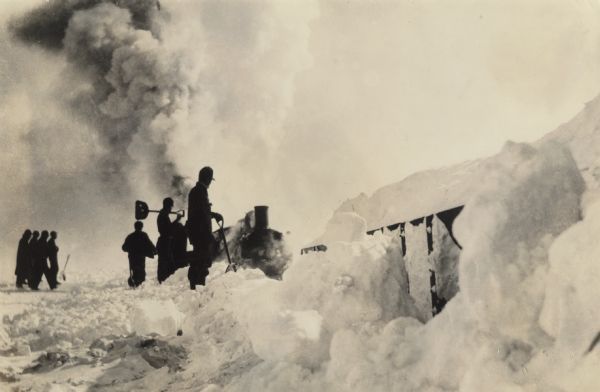
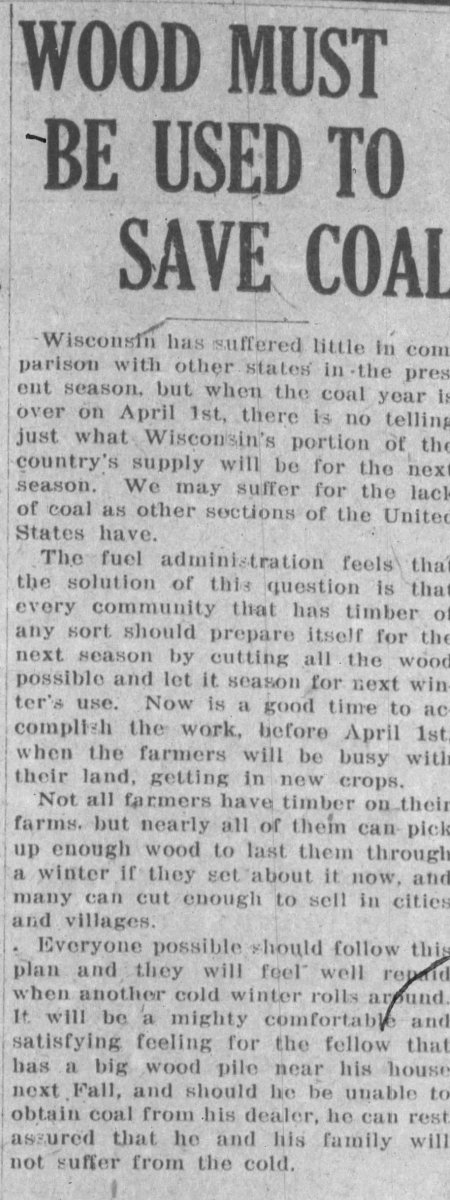
A few Historical Weather Pictures: